I want to tell you the truth about where Family Mastery Blueprint came from — not the polished version, the real one.
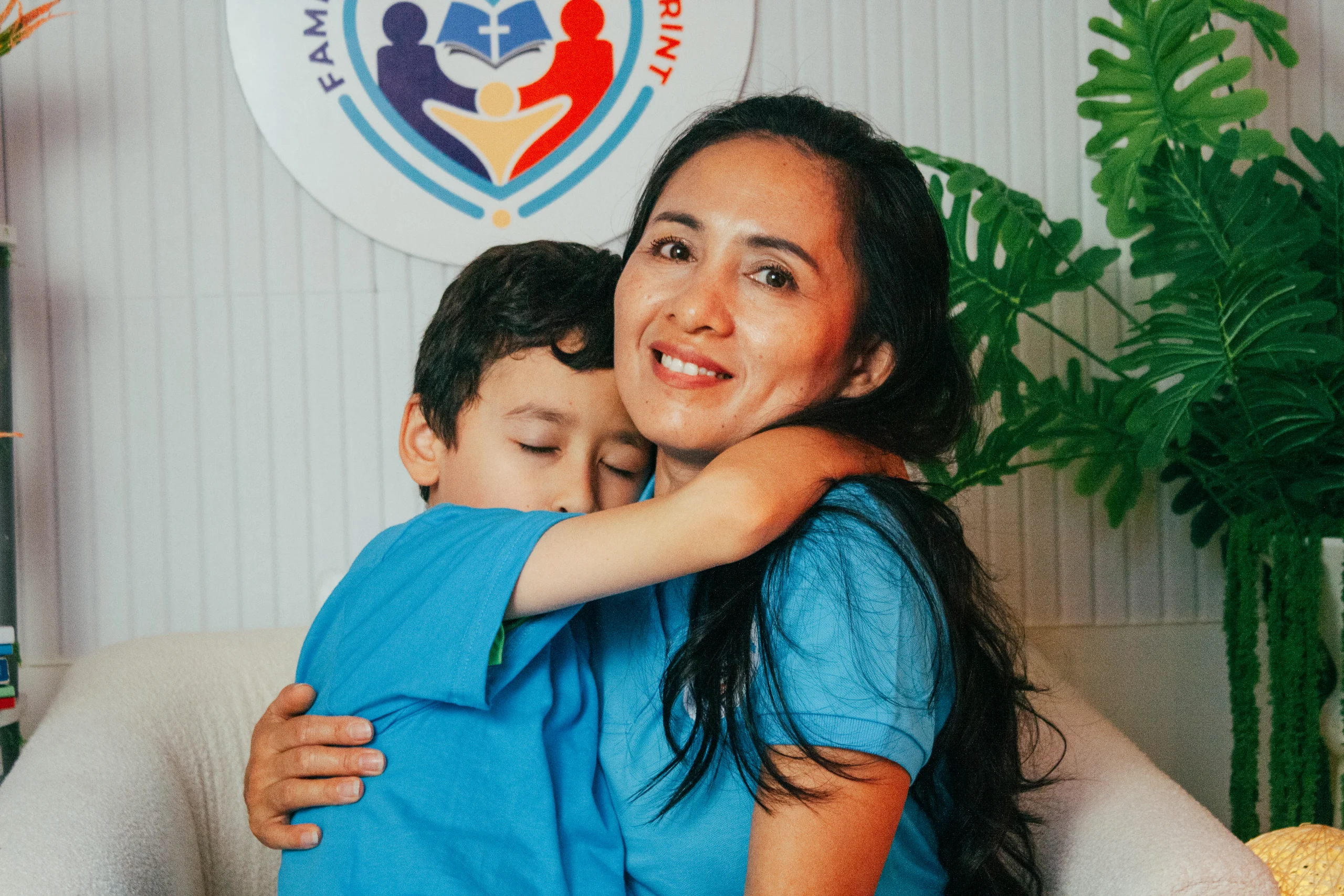
Before Family Mastery Blueprint, life at home was often marked by emotional struggles, silent anger, self-dependency, and broken trust. From the outside, I looked strong and capable. Inside, I was carrying years of unresolved pain, resentment, and a quiet feeling that I was never quite enough.
My greatest struggle was believing I had to handle everything on my own. After losing my father, walking through family struggles, and later feeling betrayal in my marriage, I learned to survive by depending only on myself. That survival skill kept me going — but it also made it hard to trust others, receive support, or be vulnerable with the people I loved most.
At home, my anger rarely looked like yelling. It looked like withdrawing. Isolating. Replaying old hurts in my mind and letting negative thoughts grow. When I was tired, hungry, stressed, or disappointed, those feelings intensified — and my husband and son were the ones who felt the distance.
We were functioning. But we were not flourishing. And deep down, I knew it.
Looking back, I can see that the way I responded to stress, conflict, and my own family was shaped by unresolved childhood wounds, self-dependency, and years of suppressed anger — not by whatever was actually happening in the moment.
I had learned, very young, that if I didn't take care of myself, no one else would. I worked hard. I sent myself to school. I carried responsibilities on my own. That resilience served me well in many seasons — but it also became a wall between me and the people trying to love me.
Under stress, old beliefs I didn't even know I was carrying would resurface: that I wasn't valued, that I had to handle everything alone, that depending on someone else would only lead to disappointment. My reactions in conflict were rarely about the actual conflict. They were about wounds I hadn't yet named.
The wake-up call came when I recognized how my anger and self-dependency were hurting my husband and my son. During stress and conflict, I would withdraw, grow distant, or think about running from the situation entirely. Deep inside, I knew the people receiving the consequences of my unresolved pain were the very people I loved the most.
I also had to admit something harder: I could not fix this on my own. My anger, resentment, and self-reliance were controlling me more than I wanted to admit. I was exhausted from carrying everything by myself and replaying old hurts on a loop.
My husband had encouraged me for years to get help. I was hesitant — trust issues do that — but I finally chose to take the risk. I didn't want to spend the rest of my life trapped in anger and emotional pain. I wanted to heal, and I wanted to become the wife and mother I actually wanted to be.
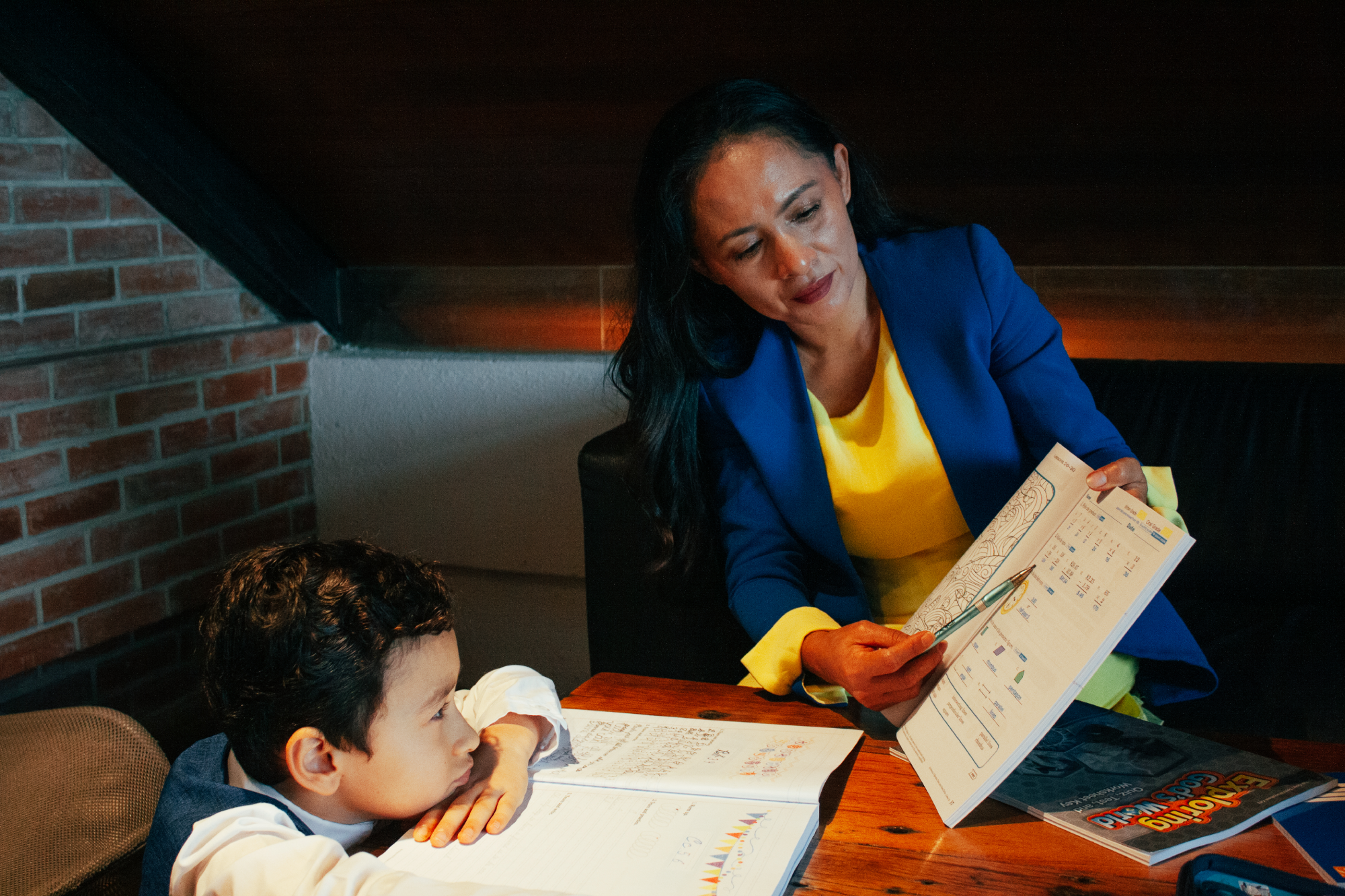
One of my biggest breakthroughs was realizing my anger wasn't the problem itself — it was a symptom of deeper wounds I had carried for most of my life. Underneath it were unresolved hurts, feelings of rejection, broken trust, fear, and a deep belief that I had to handle life on my own.
I also began to see how much of my present was shaped by my past. Many of the conflicts I had with my husband and son weren't really about what was happening in front of us — they were old disappointments wearing a new face.
The most life-changing realization was admitting I was powerless to change these patterns by myself. For someone who had spent her life relying on her own strength, that was humbling. But it was also the beginning of real freedom — learning to trust, communicate honestly, ask for support, and let God work in the places I couldn't fix alone.
The hardest belief for me to recognize and release was self-dependency — the conviction that I had to handle everything on my own and couldn't fully trust others to support me. It didn't look like a weakness. It looked like strength, responsibility, resilience. People saw me as capable. What they didn't see was the fear and distrust underneath it.
This pattern quietly created distance in my marriage. During conflict, my instinct was to withdraw, take control, or remind myself I could survive alone — instead of leaning on my husband. And my anger, which I thought I was managing well because it wasn't loud, was actually resentment that had been suppressed, not resolved.
True healing wasn't becoming stronger on my own. It was learning to trust God, receive support from others, and let myself be seen — even in my weakest places.
Since beginning this journey, I've become far more self-aware. I understand where my anger comes from, and I can recognize my triggers before they take over. I've become more honest with myself — admitting I need help instead of hiding behind independence or achievement.
I've also learned to trust. Sharing my story with my recovery group and trusted people was one of the hardest things I've ever done, and it taught me that not everyone is unsafe. Healing happens in community, not in isolation.
In my marriage, I've stopped waiting for my husband to change and started working on myself — communicating my needs, listening better, practicing forgiveness. As a parent, I've become more aware of how my own emotions affect my son, and more intentional about responding instead of reacting.
Most of all, I have hope. For years I felt trapped by anger, distrust, and self-reliance. Today, I see healing as a journey, not an impossible dream — and I'm becoming, one day at a time, the wife, mother, and woman God created me to be.
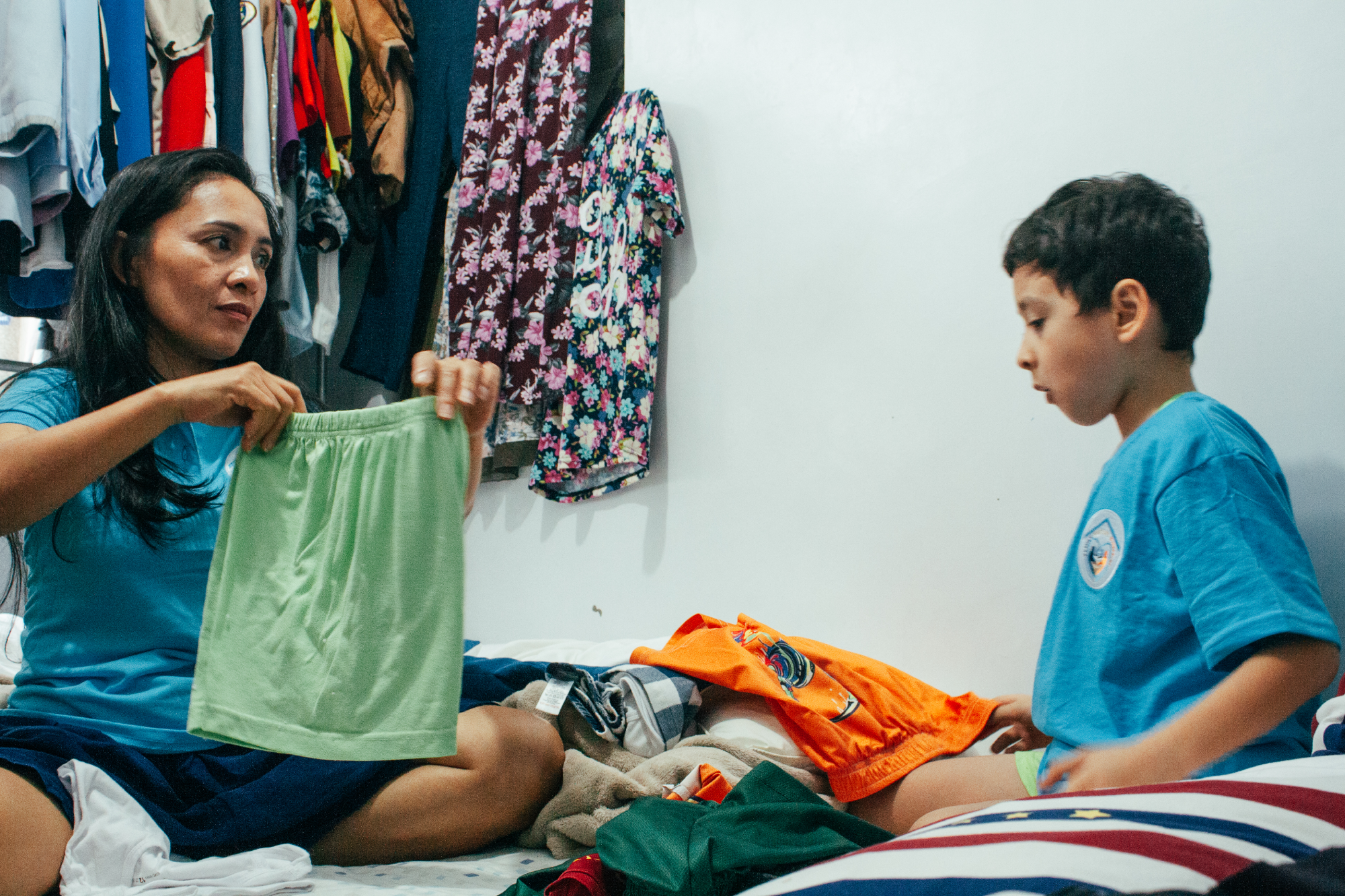
A healthier, safer home for me now is a place where love, trust, respect, and honest communication are practiced daily. It's a home where I no longer need to withdraw or let anger control my words. I can say what I feel, calmly, and know I'll be heard.
It's a home where my husband, my son, and I can talk about our struggles without fear of judgment. Where conflicts are worked through with patience instead of avoided. Where I no longer carry every burden alone — because I've learned I can ask for help, and that trusting God and the people around me isn't weakness.
Most importantly, it's a home that feels peaceful. Where trust is growing. Where God is at the center. Where I am learning, one day at a time, to be a better wife, mother, and follower of Christ.
If you're feeling overwhelmed, stuck, or discouraged right now, I want you to know: you are not alone. I know what it feels like to carry pain, anger, and exhaustion while still trying to be a good parent, spouse, and person. Life can convince us we have to carry everything by ourselves. That isn't true.
One of the most important things I learned is that healing begins when we become honest with ourselves. It's okay to say, "I need help." Asking for support isn't weakness — it's courage.
Be compassionate with yourself. Many of our reactions today come from wounds we've carried for years. Healing takes time. Growth isn't about becoming perfect — it's about becoming more aware, and choosing healthier responses, one day at a time.
Real freedom comes when we face our struggles honestly, learn new skills, and allow God and trusted people to walk with us through the process. Your current struggle is not the end of your story. Healing is possible. Relationships can grow stronger. Trust can be rebuilt. Joy can return.
Take one small step today. Then another tomorrow. You do not have to walk this journey alone — and if you're ready, I would be honored to walk it with you.